Qatar’s Gas Hub Under Fire
Global energy markets were sent into a tailspin Thursday as fresh strikes targeted vital infrastructure in the Middle East, sending gas prices soaring by a dramatic 25% on wholesale markets in the UK and Europe. The surge, which saw UK gas prices jump nearly 19% to 165 pence per therm, highlights the delicate balance of global energy supply and the far-reaching impact of regional conflicts.
Iran-Qatar Exchange Rattles Investors
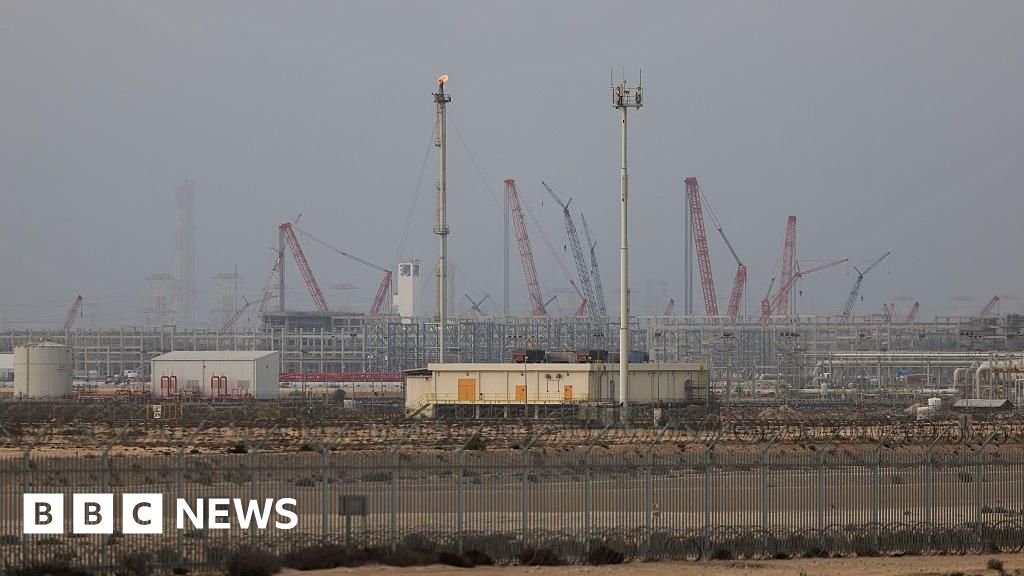
The immediate catalyst for the price hike was an attack on Iran’s South Pars gas facility, one of the world’s largest natural gas fields. In a swift and retaliatory move, Iran then targeted Qatar’s Ras Laffan facility, the largest liquefied natural gas (LNG) export hub globally. This dual strike has raised serious concerns over the stability of the international energy supply, with analysts warning that repairs could take months, not weeks, potentially disrupting a fifth of the world’s LNG. The ripple effect was felt keenly on stock markets, with major indices in Japan, London, and the US all opening lower as investors grappled with the potential economic fallout.
The escalation follows explicit warnings from Iran’s military, which had vowed “decisive action” against perceived aggressors. The targeting of energy infrastructure, the military stated, was considered “legitimate” retaliation. This dramatic development comes as Qatar itself had previously halted production at its North Dome facilities, part of the same massive gas field, due to the ongoing conflict. The potential for prolonged disruption at Ras Laffan, a key supplier to the global market, means the world could be facing a significant and lasting squeeze on gas supplies, pushing prices higher for consumers and industries alike.
📰 Source: BBC Business