Major Gas Hub Crippled by Missile Strikes
DOHA – The global energy market is reeling today after missile attacks severely damaged Qatar’s crucial Ras Laffan Industrial City, a vital hub for liquefied natural gas (LNG) production. The strikes, which QatarEnergy confirmed overnight, have led to an immediate and significant surge in gas prices worldwide, raising fears of prolonged supply disruptions and increased energy costs for consumers.
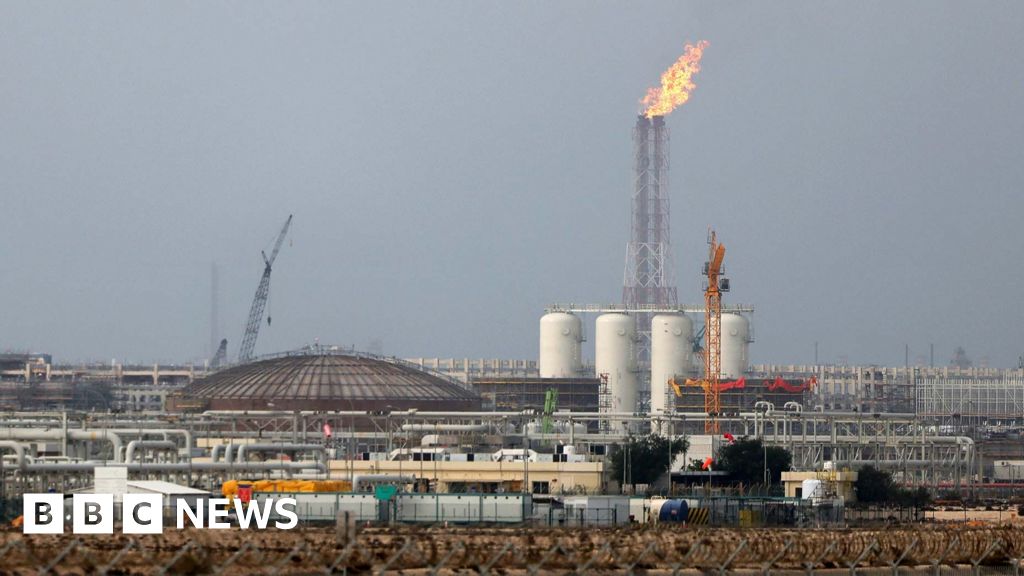
Ras Laffan, located northeast of Doha, is responsible for approximately one-fifth of the world’s LNG supply. This super-port processes and exports the gas essential for everything from home heating and cooking to electricity generation. The facility houses numerous LNG storage tanks, an oil refinery, and gas-to-liquids plants, with major international energy players like ExxonMobil, Chevron, and Shell having significant operations there. Production at the site has been halted since early March, following escalating regional conflicts.
Immediate Price Shocks and Lingering Fears
The impact was swift and sharp. Upon trading opening on Thursday, UK gas prices spiked by over 30%, settling around 22% higher. European gas prices also saw a substantial 20% jump. Analysts describe the surge as “huge,” with concerns mounting that these attacks signal a serious escalation in geopolitical tensions. The damage to Shell’s Pearl gas-to-liquids facility and other LNG infrastructure has effectively taken a significant chunk of global supply offline.
Previously, market expectations anticipated a relatively short disruption, with supply returning to pre-conflict levels by mid-2026. However, the severity of the Ras Laffan damage has shattered that optimism. Experts now predict a much longer recovery timeline, fundamentally reshaping the global LNG outlook. The inability to quickly substitute this lost supply means prices are inevitably set to climb higher.
Ripple Effects on Homes and Businesses
For consumers, this translates into a direct threat to household budgets. In the UK, for instance, where gas remains a critical component of the energy mix and heavily influences wholesale electricity prices, higher gas costs will almost certainly lead to increased electricity bills in the coming months. Energy regulator Ofgem relies on gas as the marginal power source, meaning its price dictates the cost of electricity.
While current prices haven’t reached the dizzying heights seen after Russia’s invasion of Ukraine, the sustained disruption from Qatar’s vital export hub is prompting urgent calls for government intervention. Policymakers are now faced with the daunting task of ensuring energy security and devising plans to shield households and businesses from the impending price hikes as the market adjusts to this new reality.