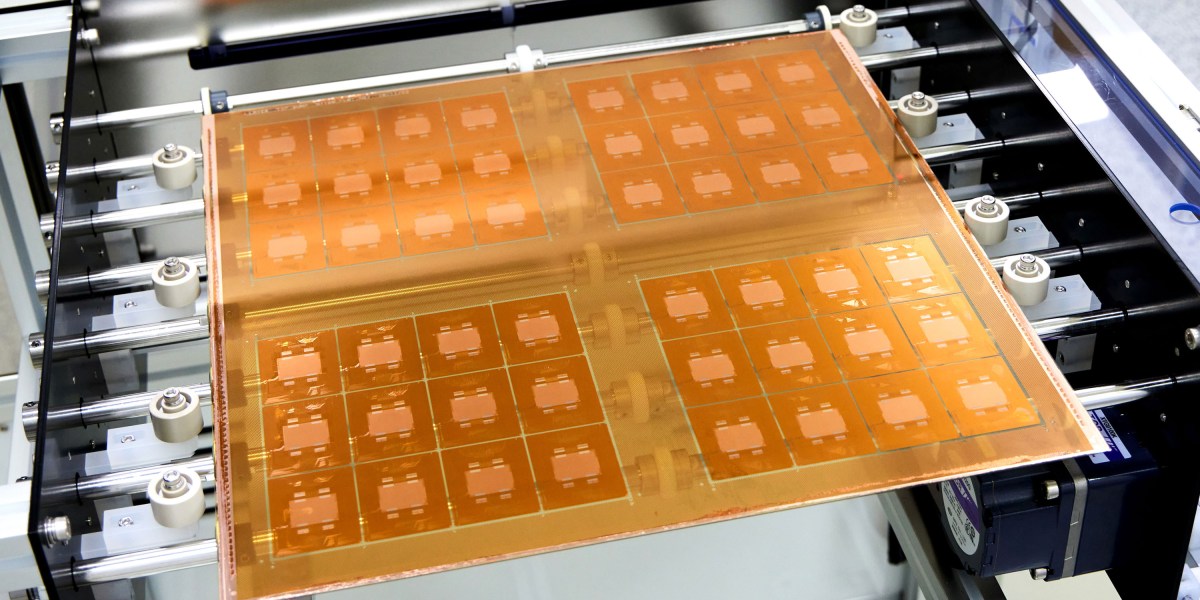
Forget silicon. The future of ultra-powerful and efficient AI chips might be built on something as common as glass. South Korean company Absolics is set to begin producing specialized glass panels this year, a move that could significantly boost the performance of next-generation computing hardware. This innovation, also being explored by tech giants like Intel, has the potential to slash the hefty energy demands of AI data centers and could even trickle down to our laptops and smartphones.
The Race for an “AI-Free” Stamp of Approval
As artificial intelligence rapidly weaves itself into our daily lives, a growing number of organizations are scrambling to establish a universally recognized “AI-free” logo. This push aims to clearly distinguish human-made products from those generated by AI, offering consumers a way to identify authentic creations. Meanwhile, a “QuitGPT” campaign is gaining traction, encouraging users to step away from popular AI tools like ChatGPT.
AI’s Shadow: Scams, Security, and Job Fears
The allure of AI isn’t without its dark side. Investigators are exposing sophisticated scams, including North Korean con artists who secured remote US jobs to steal money and sensitive information. Elsewhere, reports suggest Elizabeth Warren is seeking answers from the Pentagon regarding potential access to classified networks by xAI, raising concerns about how AI could be used in targeting decisions. On the employment front, Meta is reportedly planning significant layoffs, potentially affecting over 20% of its staff, as the company grapples with the costly investments in AI, reigniting long-standing fears about AI’s impact on the job market. The burgeoning world of AI romance scams is also seeing “AI face models” duping victims, highlighting the evolving tactics of cybercriminals.
ByteDance has also experienced setbacks, delaying the launch of a video AI model following copyright disputes, a reminder of the legal complexities surrounding AI-generated content. Even the world of finance is abuzz, with a Chinese AI startup reportedly heading for a staggering $18 billion valuation, more than quadrupling its worth in just three months, underscoring the rapid global growth of AI development.
Beyond the immediate tech landscape, intriguing stories are emerging. A startup is embarking on the ambitious task of resurrecting the dodo bird through gene editing, a stark contrast to the more sobering discussions around AI and its societal implications. Amidst this rapid technological evolution, discussions about the future of computing are intensifying, with calls for ambitious “moonshot” projects to ensure a competitive edge.