Munich, Germany – The world of television technology just got a bit more transparent, thanks to a German court’s decision to ban Chinese manufacturer TCL from marketing some of its TVs as “QLED.” The ruling, which centers on whether these sets truly embody the quantum dot technology they claim to, is sending ripples across the industry, urging all TV brands to be more upfront about their display innovations.
The QLED Controversy Unpacked
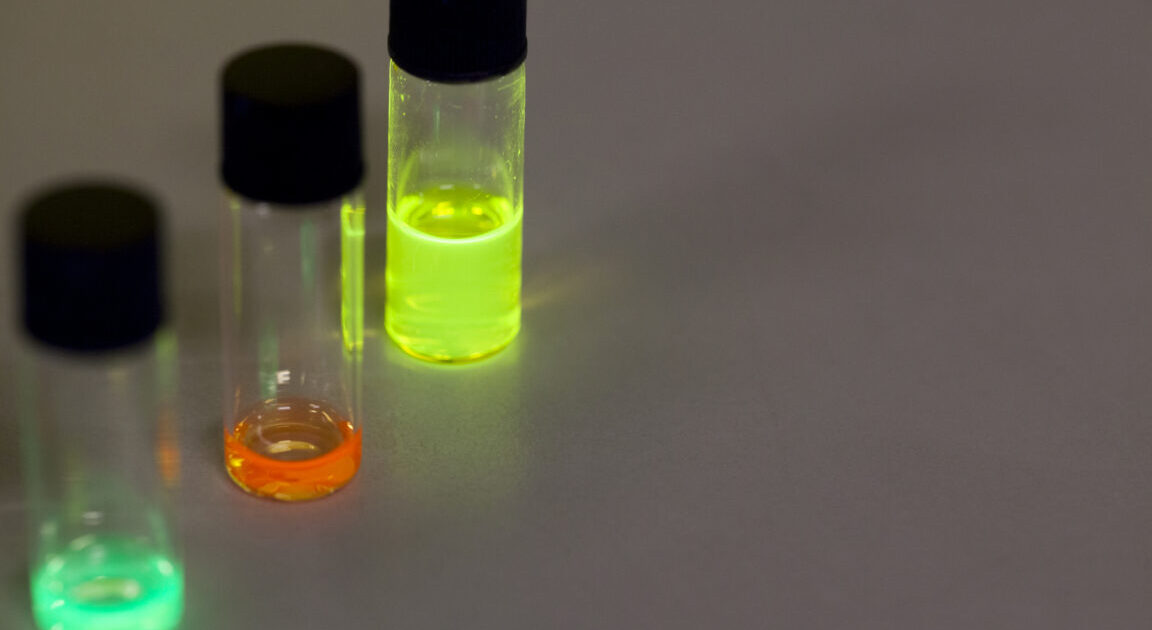
At the heart of the matter is the definition of QLED. Quantum Dot Light-Emitting Diode technology utilizes tiny semiconductor crystals, or quantum dots, that emit specific colors when hit by light. This process is intended to produce brighter, more vibrant, and more energy-efficient displays compared to traditional LED TVs. However, the Munich court found that TCL’s contested models lacked the essential quantum dot structure and performance characteristics that define the QLED standard. This isn’t the first time TCL’s QLED branding has come under scrutiny; rival Samsung has been actively questioning TCL’s claims for some time.
A History of Scrutiny and Shifting Standards
Last year, Samsung presented testing results from the independent firm Intertek, which reportedly found insufficient levels of cadmium and indium – key components in quantum dot manufacturing – in several TCL models. While TCL has previously defended its marketing, asserting it had “definitive substantiation,” this court ruling suggests a stricter interpretation of what constitutes genuine QLED technology. The implications extend beyond consumer clarity; they could influence how brands invest in and market future display advancements, potentially pushing for more substantive technological underpinnings rather than marketing buzzwords.
As the dust settles on this legal challenge, consumers can anticipate a more rigorous approach to how TV manufacturers describe their technologies, promising a clearer picture of what they’re actually buying.