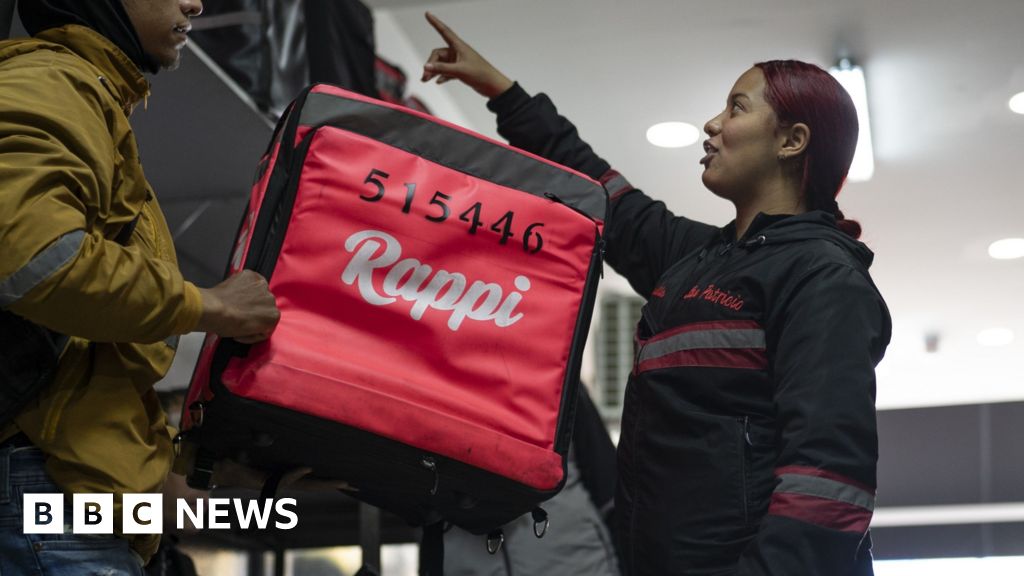

Bogota is buzzing with innovation, evident in the ubiquitous orange bags of Rappi, the on-demand delivery giant that has become a symbol of Colombia’s burgeoning tech scene. This success story, a “unicorn” company valued at over $5 billion, hints at a broader transformation in Colombia, a nation shedding its past and emerging as a vibrant hub for entrepreneurs and international talent.
A Growing Ecosystem, Stifled by Scarcity
Colombia boasts a rapidly expanding startup ecosystem, with reports indicating over 2,100 new companies, a 24% surge year-on-year. The nation ranks second in Latin America for startup activity, trailing only Brazil. While many of these are in their early stages, demonstrating a dynamic entrepreneurial spirit, the path to sustained growth is becoming increasingly challenging. Companies like Yuno and Erco Energy are proving that long-term success is achievable, transitioning from startups to established players with significant revenue and regional expansion. Foodology, a virtual restaurant pioneer, exemplifies this ambition, raising over $60 million and expanding beyond Colombian borders.
The Hunt for Capital: A Crucial Bottleneck
Despite the promising growth, a critical hurdle looms large: access to capital. While a surge in venture capital interest in Latin America a few years ago, spurred by initiatives like SoftBank’s fund, created a positive outlook, many of those investments failed to yield the expected returns. This has led to a cautious retreat from investors, both globally and regionally. The downturn in global markets has further exacerbated the situation, making it significantly harder for Colombian startups to secure the essential funding needed to scale and thrive. Without consistent investment, promising companies risk faltering, unable to secure the next round of funding to reach profitability. The future of Colombia’s tech ambitions hinges on attracting more venture capital and fostering a culture of local investment in technological innovation.
📰 Source: BBC Business