
Brixton Academy Incident Sparks Debate
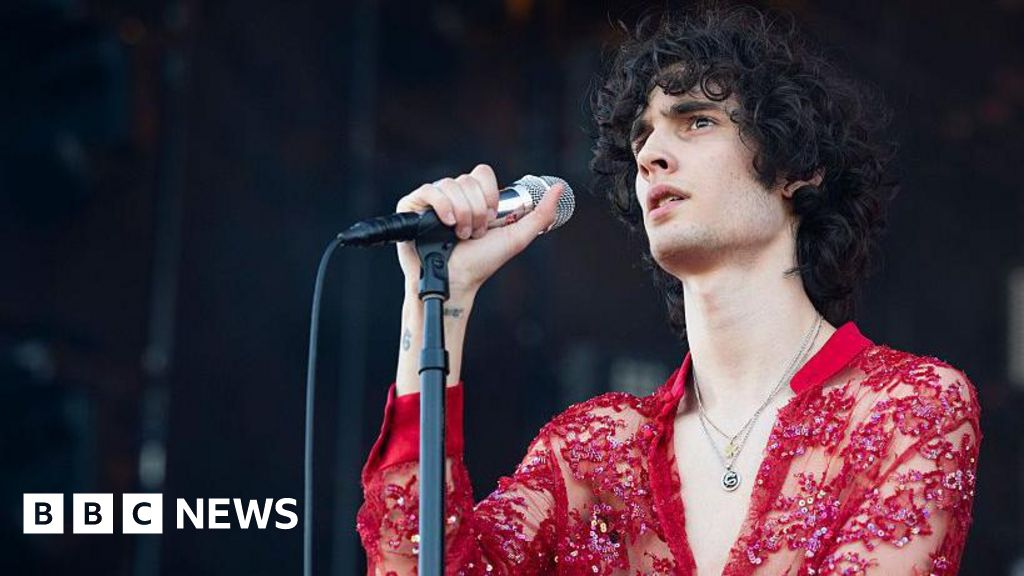
US singer-songwriter Sombr’s decision to halt a sold-out show at London’s iconic Brixton Academy last week, citing concerns for a distressed fan, has ignited a discussion about safety at live music events across the UK. The artist expressed frustration with what he perceived as slow staff response, declaring the venue “the most poorly managed I’ve ever played at in my life.” This outburst gained significant attention, particularly given the venue’s history; Brixton Academy was the site of a tragic crowd crush in 2022 that resulted in two fatalities. While the venue’s operators maintain an internal review found no serious incidents during Sombr’s residency, and CCTV footage reportedly showed staff reaching the fan within a minute, the episode has amplified existing anxieties.
A Growing Trend of Artist Intervention
Sombr’s actions are far from isolated. In recent years, a notable number of high-profile artists, including Billie Eilish, Harry Styles, Taylor Swift, and Adele, have paused their performances to address fan safety. This heightened awareness is widely attributed to the devastating 2021 Astroworld festival in Houston, where overcrowding led to multiple deaths and intense scrutiny of the headlining artist’s response. Industry experts observe a measurable increase in artists proactively interrupting shows, reflecting a deeper commitment to ensuring audience well-being. However, a complex dynamic emerges when artists publicly criticize on-site safety personnel. Psychologists specializing in crowd behavior emphasize that a collaborative approach between staff and attendees is crucial for maintaining a safe environment, warning that undermining trust in security can foster hostility.
UK Concert Safety: A Reassuring Landscape
Despite these high-profile incidents and evolving crowd dynamics, attending a concert in the UK remains a relatively low-risk activity. Studies of medical interventions at major festivals, like Glastonbury, reveal that common issues are typically minor injuries such as sprained ankles and blisters, with intoxication ranking surprisingly low. While devastating events like the 1974 David Cassidy concert stampede and the 1988 Monsters of Rock Festival crush serve as stark reminders of the potential for tragedy, they have directly informed the development of robust safety protocols. The UK’s comprehensive safety guidelines, often referred to as “The Purple Guide,” cover every facet of event management and have established the country as a global leader in concert safety. As the industry continues to adapt to shifting fan behaviors, these established frameworks are poised to guide future event planning and attendee experiences.
📰 Source: BBC Entertainment