
More Than Just Glue
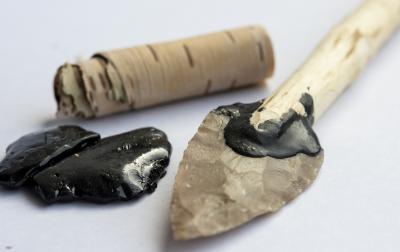
Forget your modern-day antiseptic wipes. For our ancient Neanderthal cousins, a sticky, tarry substance derived from birch bark may have been their go-to for warding off dangerous infections. While archaeologists have long known Neanderthals were skilled at extracting birch tar to create a strong adhesive for hafting tools and weapons, new research suggests they also harnessed its medicinal properties. This sophisticated understanding of natural resources hints at a deeper level of Neanderthal ingenuity than previously appreciated, pushing back the timeline for the use of medicinal compounds.
A Natural Remedy Still in Use
The practice of using birch tar for healing isn’t just an archaeological curiosity; it’s a tradition carried on by several Indigenous cultures today. The Mi’kmaq people of eastern Canada, for instance, have a long history of using a fluid form of birch tar, known as maskwio’mi, as a topical treatment for skin infections and to prevent wounds from festering. This living connection to ancient knowledge underscores the efficacy of this natural remedy. Recent laboratory tests on distilled birch tar have confirmed its potent antibacterial qualities, demonstrating its ability to combat common bacteria like S. aureus and E. coli. This suggests Neanderthals could have easily applied the same substance they used for tool-making to treat the frequent injuries sustained during their lives. The process of making birch tar, while seemingly simple—involving setting birch bark alight—required a keen understanding of chemistry and resourcefulness. The implications of this discovery paint a picture of Neanderthals as not just survivors, but as astute practitioners of early medicine, capable of complex problem-solving that benefited their health and well-being.
The discovery offers a compelling glimpse into the daily lives and challenges faced by Neanderthals, revealing a sophisticated approach to health and survival that resonates even today, hinting at future possibilities for rediscovering ancient healing practices.
📰 Source: Ars Technica