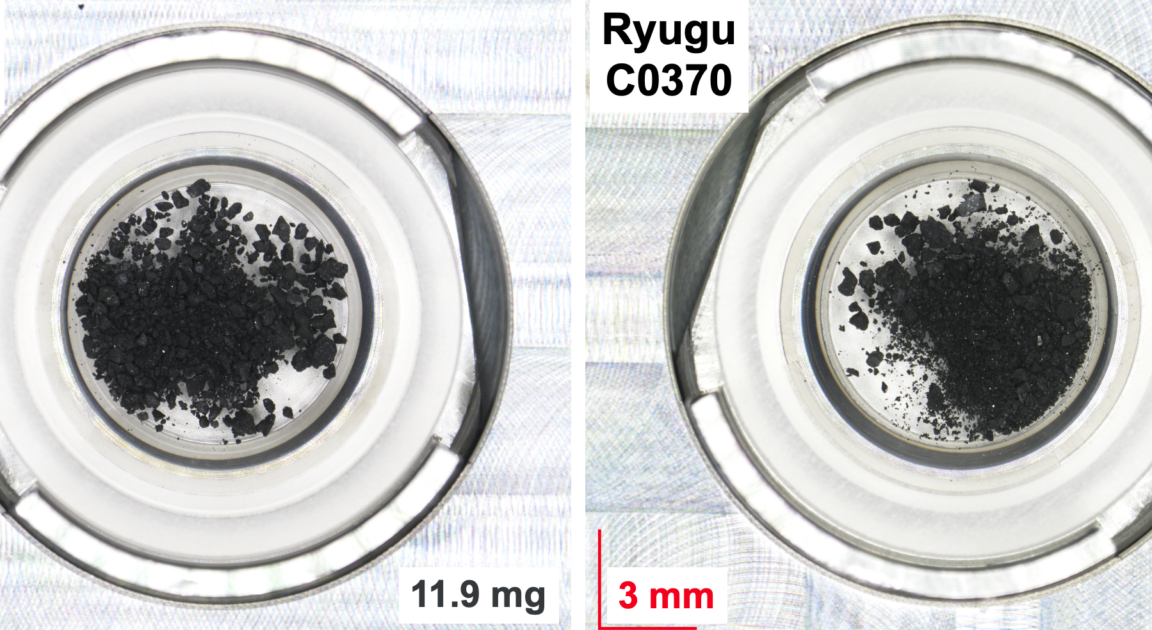
Scientists have once again detected the fundamental building blocks of DNA within the dusty remnants of an asteroid, a finding that, while not entirely new, deepens our understanding of how life’s essential components might have journeyed to Earth.
A Familiar Message from Space
The recent announcement that all four crucial DNA bases – adenine, guanine, cytosine, and thymine – were identified in samples from the asteroid Ryugu has generated considerable buzz. However, what many headlines might have missed is the word “again.” This discovery isn’t a solitary event; it builds upon a series of findings stretching back to 2011, with numerous studies since then corroborating the presence of these vital organic molecules in extraterrestrial material. The latest research, while confirming their existence on Ryugu, is particularly significant because it addresses a prior puzzle: why these bases were elusive in some Ryugu samples when they had been found elsewhere in other asteroid collections.
Unraveling the Delivery Mechanism
Beyond simply reiterating a known fact, this new work offers compelling insights into how these molecules arrived on asteroids in the first place. This is a critical question for understanding the prebiotic chemistry that may have set the stage for life on our own planet. DNA and RNA, the nucleic acids essential for all known life, share a common structural backbone. This backbone consists of alternating sugar and phosphate molecules. While the specific sugar differs between DNA and RNA, the fundamental chain structure is remarkably consistent across all life forms. Identifying the origin of these bases helps us piece together the grand narrative of life’s potential cosmic origins.
The ongoing investigation into asteroid composition continues to provide tantalizing hints about the universe’s capacity to generate and transport the very ingredients necessary for life, suggesting that Earth may have been seeded by material from beyond our atmosphere.