The FBI has quietly resumed purchasing the location data of Americans, a practice it claimed to have halted three years ago, according to testimony from FBI Director Kash Patel. This development raises fresh concerns about government surveillance and the privacy of U.S. citizens.
A Reversal on Privacy Promises
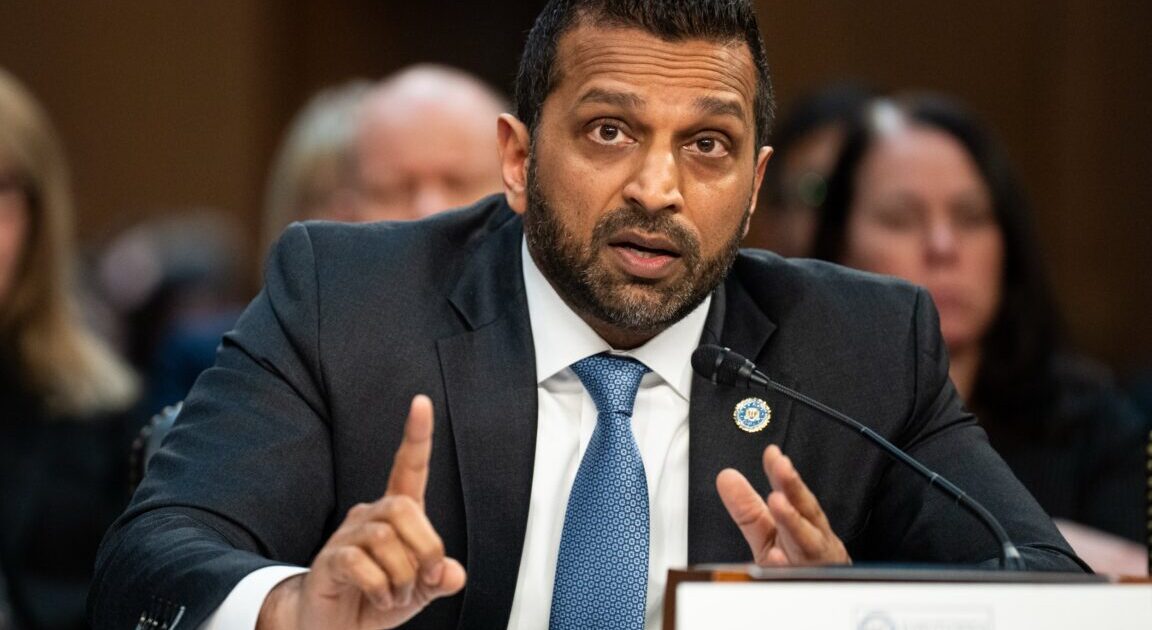
During a recent Senate Select Committee on Intelligence hearing, Director Patel confirmed the bureau’s renewed acquisition of commercially available location information. He asserted that this data has proven “valuable” to the FBI’s investigative efforts and offered no commitment to cease the practice moving forward. This stands in stark contrast to assurances made by former FBI Director Christopher Wray in March 2023. At that time, Wray stated that the agency was no longer buying location data derived from internet advertising, though he acknowledged past purchases for a “specific national security pilot project” that had since been discontinued.
Shadows of Surveillance
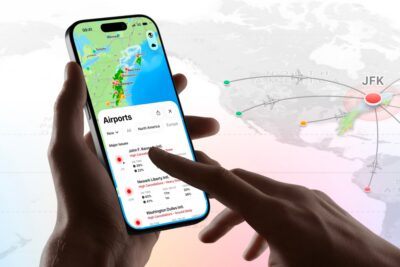
The FBI’s initial pivot away from purchasing this type of data followed widespread public outcry and a growing awareness of how private companies collect and sell granular location information. This data, often gathered through smartphone apps, can reveal an individual’s daily routines, visited locations, and even their associations. The agency’s previous use of such data without a warrant had sparked significant debate about the balance between national security and citizens’ Fourth Amendment rights. Senator Ron Wyden, a vocal critic of government surveillance, directly questioned Director Patel about the apparent reversal, referencing Wray’s prior statements. Patel’s response suggests a shift in the FBI’s operational strategy, potentially reopening a contentious chapter in the ongoing debate over digital privacy.
The FBI’s decision to re-engage in purchasing location data could reignite scrutiny from lawmakers and privacy advocates, prompting a renewed push for transparency and stricter oversight on how such sensitive information is obtained and utilized by federal agencies.