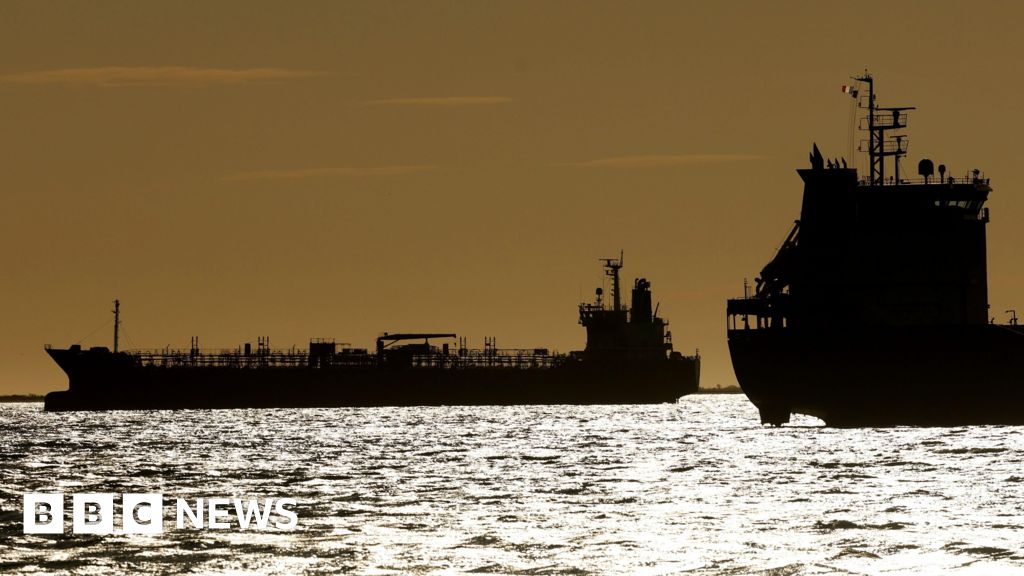

Scramble for Oil Sparks Policy Reconsideration
In a dramatic potential shift of U.S. foreign policy, Washington is reportedly considering lifting sanctions on some Iranian oil exports. The move, floated by Treasury Secretary Scott Bessent, comes as the global economy grapples with surging energy prices exacerbated by the ongoing conflict in Iran. Bessent suggested in a recent interview that such a step could inject more oil into the global market, potentially easing price pressures.
A Risky Gamble with Uncertain Returns
The proposal, if enacted, represents a significant departure from long-standing U.S. policy. Experts, however, express skepticism about its effectiveness, predicting only a marginal impact on global prices. Concerns are also mounting that any easing of sanctions could inadvertently channel funds back to the Iranian regime, which the U.S. is currently confronting. “To put it mildly, this is bananas,” commented David Tannenbaum, director of Blackstone Compliance Services, highlighting the paradoxical nature of potentially enabling Iran’s oil sales while simultaneously targeting its war efforts. Prior to the current sanctions regime, China was the primary recipient of discounted Iranian crude.
Bessent indicated the U.S. is examining waivers for oil already in transit, estimated at around 140 million barrels, which he believes could temporarily depress prices for a couple of weeks. However, details regarding the implementation of such waivers and safeguards against the proceeds benefiting the Iranian government remain scarce. The Treasury Department has declined to elaborate on the proposal, and President Trump’s response to questions on the matter was non-committal. Analysts like Rachel Ziemba of the Center for a New American Security caution that the volume of oil under consideration is unlikely to be a “game changer” for global prices, especially as much of it may already be finding its way to market. This consideration follows other U.S. efforts to stabilize energy markets, including the release of strategic oil reserves and previous suspensions of some sanctions on Russian oil, moves that have drawn criticism from international allies.
The fact that such a policy is even being contemplated underscores the severity of the current energy shock, with approximately a tenth of the world’s oil supply disrupted by the conflict. With vital shipping lanes like the Strait of Hormuz, through which a significant portion of global oil passes, facing disruptions, the U.S. appears to be exploring every avenue to bolster supply. The potential for escalating attacks on energy infrastructure in the region also looms, threatening long-term supply stability.
📰 Source: BBC Business