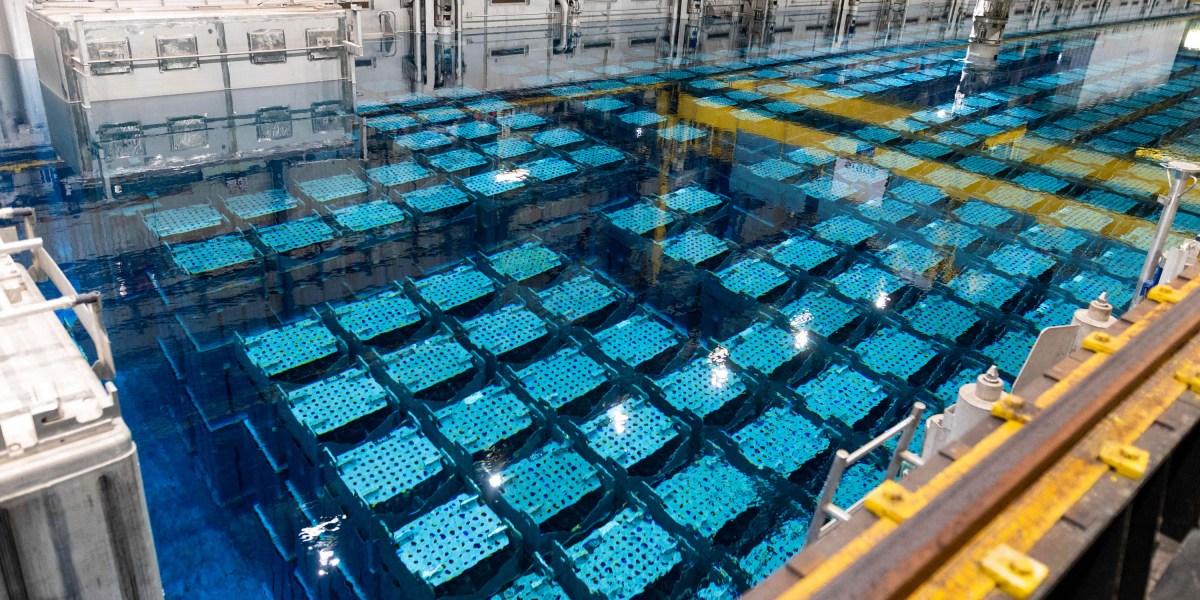

The idea of turning trash into treasure is always appealing, and with nuclear energy, the prospect of repurposing spent fuel offers a tantalizing glimpse of a more sustainable future. Yet, despite the potential to reduce waste and the need for new mining, the world isn’t aggressively recycling its nuclear waste. The complex economics, technical hurdles, and lingering safety concerns all contribute to this reality.
France Leads the Pack, But Challenges Remain
France stands out as the global leader in nuclear fuel reprocessing, operating the La Hague plant, a facility capable of handling around 1,700 tons of spent fuel annually. The process, known as PUREX, dissolves spent fuel in acid, chemically extracting uranium and plutonium. These recovered materials can then be fashioned into new fuel for conventional or specialized reactors. Proponents argue this can significantly decrease the volume of high-level waste requiring secure, long-term storage. However, a key issue arises when considering the ultimate destination: deep underground geological repositories. The limiting factor for these facilities is often the heat generated by the waste, not its sheer volume. Spent fuel containing plutonium, like that produced by reprocessing, emits considerably more heat than conventional fuel. This means that while the volume might be reduced, the heat output could still necessitate as much, or even more, storage space.
A ‘Loop’ That Isn’t Infinite
Creating a truly circular economy for nuclear fuel faces further complications. The uranium recovered through reprocessing is often contaminated with isotopes that are difficult to separate, making its re-enrichment a complex undertaking. Consequently, France currently holds much of its reprocessed uranium as a strategic reserve for potential future use. Even when MOX fuel, derived from plutonium, is used, its own reprocessing after its initial life cycle is technically demanding. Experts suggest that, at best, current methods allow for fuel to be used twice, falling short of an infinite recycling loop. Furthermore, the security implications of handling plutonium, a material that can be diverted for nuclear weapons, add another layer of complexity, requiring stringent safety measures. The high cost associated with reprocessing, coupled with the fact that uranium is not currently a scarce resource, also diminishes its economic appeal for many nations.
While some companies developing advanced nuclear reactors are exploring innovative reprocessing techniques, and countries like Japan are investing in new facilities, the path to widespread nuclear waste recycling remains a challenging one, demanding significant technological and economic advancements to overcome the inherent complexities and ensure a truly sustainable energy cycle.
📰 Source: MIT Tech Review