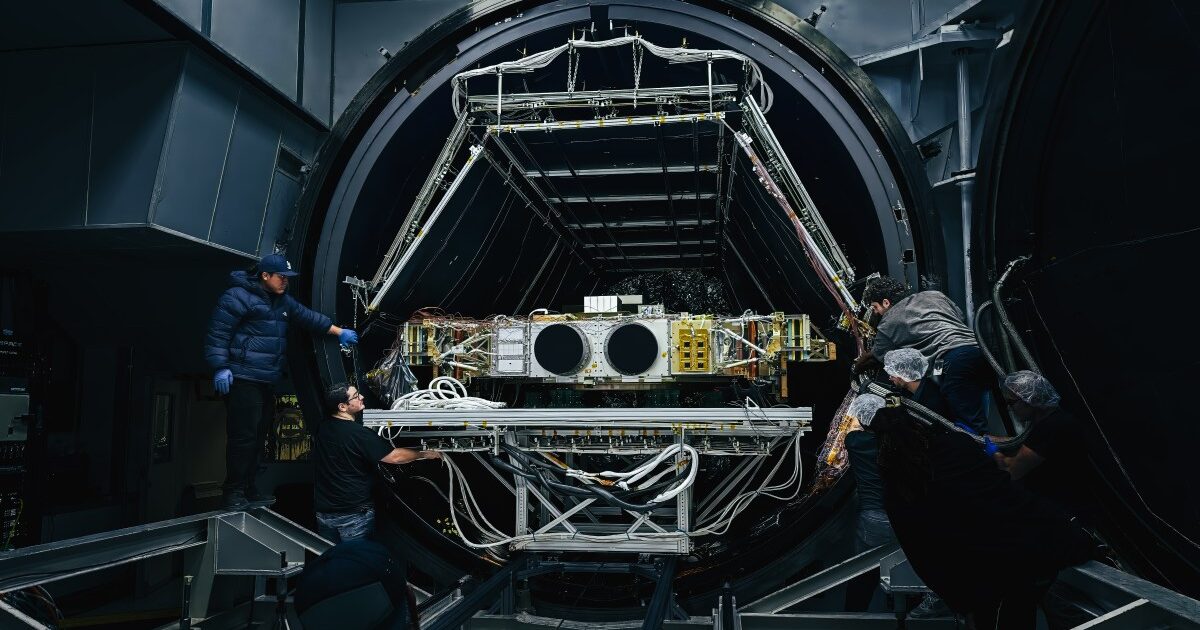

K2 is gearing up to launch a groundbreaking satellite, codenamed Gravitas, designed not just to observe space but to actively process data within it. This ambitious undertaking marks a significant step towards the futuristic vision of building data centers amongst the stars, potentially revolutionizing how we manage and utilize information from orbit.
Testing the Waters for Orbital Data Centers
The core objective of the Gravitas mission is to prove the viability of high-powered computing hardware operating in the harsh environment of space. For years, space missions have relied on sending data back to Earth for analysis, a process that can be time-consuming and bandwidth-intensive. Gravitas aims to flip that script by bringing the processing power directly to the data source. Imagine a future where complex calculations, from analyzing Earth observation data to managing intricate satellite constellations, happen on the spot, without the delay of terrestrial communication.
Why In-Orbit Computing Matters
The implications of successful in-orbit computing are vast. For Earth observation, it means faster insights into critical issues like climate change, disaster response, and resource management. For space exploration, it could enable autonomous decision-making for deep-space probes, reducing our reliance on constant ground control. Furthermore, as the number of satellites in orbit explodes, the need for localized processing to manage this growing digital ecosystem becomes increasingly pressing. K2’s Gravitas is a crucial early experiment in paving the way for this orbital digital infrastructure, promising a more responsive and efficient future in space.
This pioneering effort by K2 could very well be the first flicker of a new era in space-based digital infrastructure.
📰 Source: TechCrunch