
A Mandate to Run, But No Customers
In a twist that highlights the precarious economics of coal power, a facility recently ordered by the U.S. Department of Energy to remain operational is reportedly not even generating electricity. This comes as a federal mandate, citing energy emergency concerns, attempts to prop up aging coal plants against the tide of cheaper, cleaner alternatives like solar and wind power.
The Balancing Act of Grid Reliability
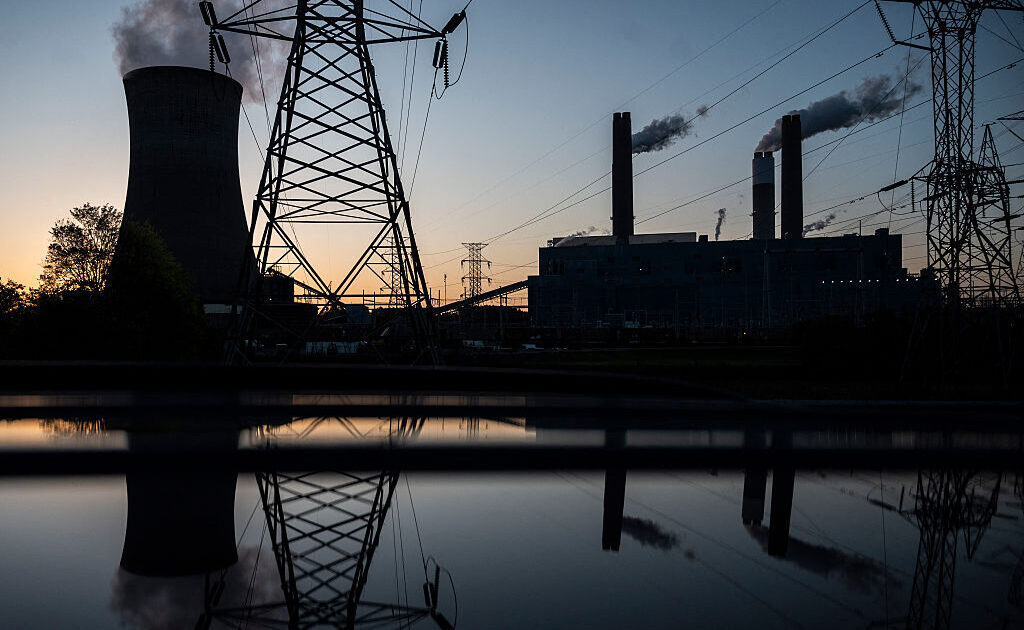
The Trump administration has repeatedly invoked the Federal Power Act and executive orders to prevent scheduled coal plant closures, often framing these actions as crucial for maintaining national grid reliability. The Department of Energy has issued a flurry of press releases trumpeting these interventions. The latest such directive concerns a coal plant in Centralia, Washington. This plant was slated for retirement last year to make way for natural gas infrastructure. However, an initial emergency order kept its boilers warm through the winter, and a new order, issued this week, extends its operational life until mid-June. The official justification, as stated in a departmental press release, is to “ensure Americans in the Northwestern region of the United States have access to affordable, reliable, and secure electricity.”
Yet, the very economics that pushed this plant towards closure – namely, its high operating costs compared to newer energy sources – seem to persist. Forcing a plant to remain open, even if it’s not actively producing power, raises questions about the true impact of these emergency measures on the nation’s energy landscape and whether they represent a sustainable path forward.
As the nation grapples with its energy future, the situation in Centralia underscores the complex interplay of economic forces, environmental considerations, and the ongoing debate over energy security. Whether these last-ditch efforts to preserve coal will yield meaningful results remains to be seen, but the industry’s struggles are becoming increasingly evident.
📰 Source: Ars Technica